
Purpose of the flight and payload description
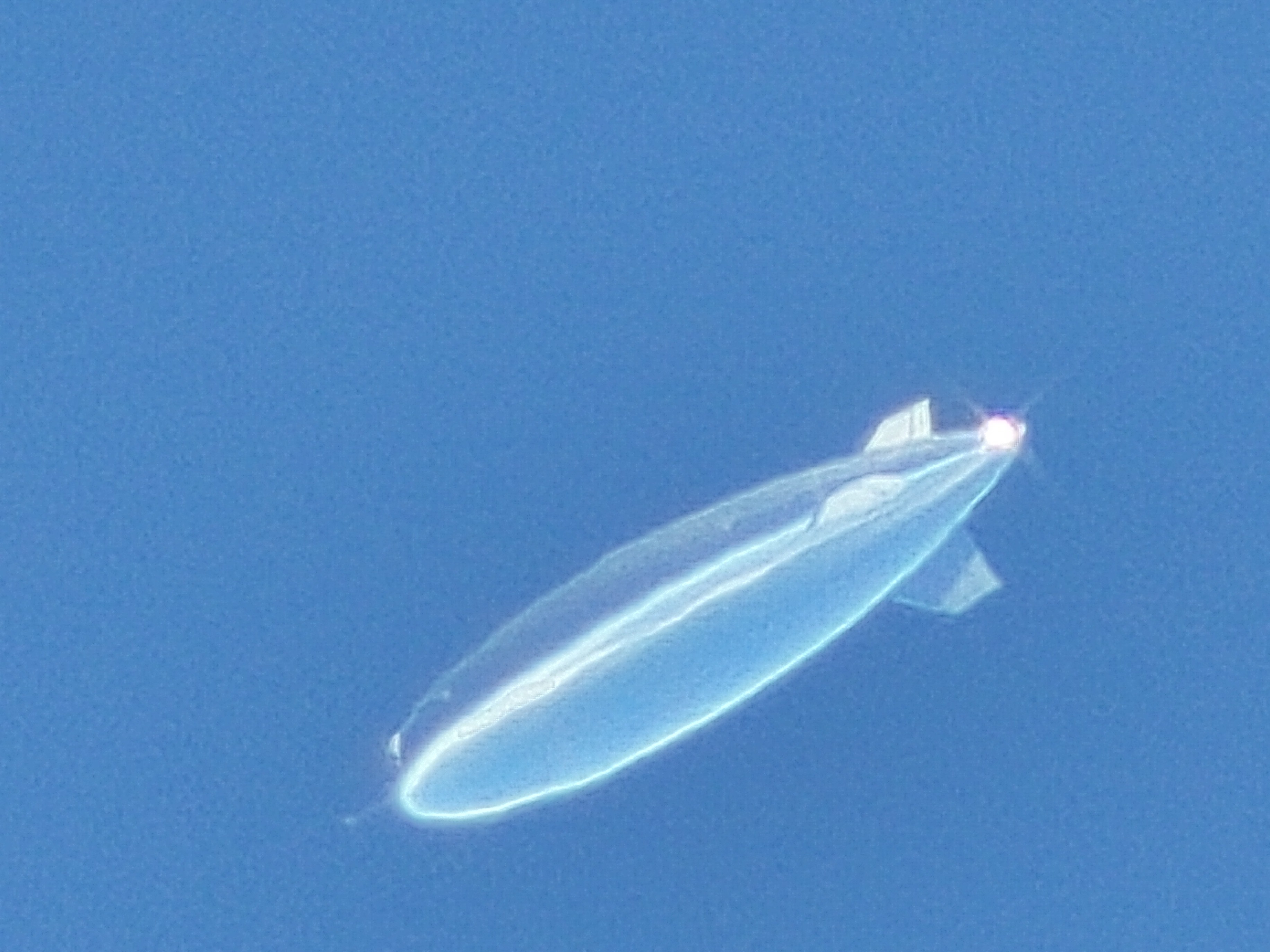
This was a test flight of a stratospheric airship carried out by SCEYE Inc., a material science company that is developing a new generation of high-altitude platform stations, or HAPS. The company has chosen the form factor of an airship over balloons and fixed-wing aircraft as it allows for geostationary capability while lifting and powering far more payload than any other platform. The future goal is to offer communications and remote sensing services from an operative altitude of 65.000 feet with station-keeping capabilities of weeks.
Regarding communications the focus is to offer internet connectivity directly to devices on the ground across rural communities and urban centers, connecting underserved locations previously out of reach. On the remote sensing field, the airship can carry advanced sensors for Earth observation, forest fires and land protection, maritime search and rescue, and industrial emissions monitoring.
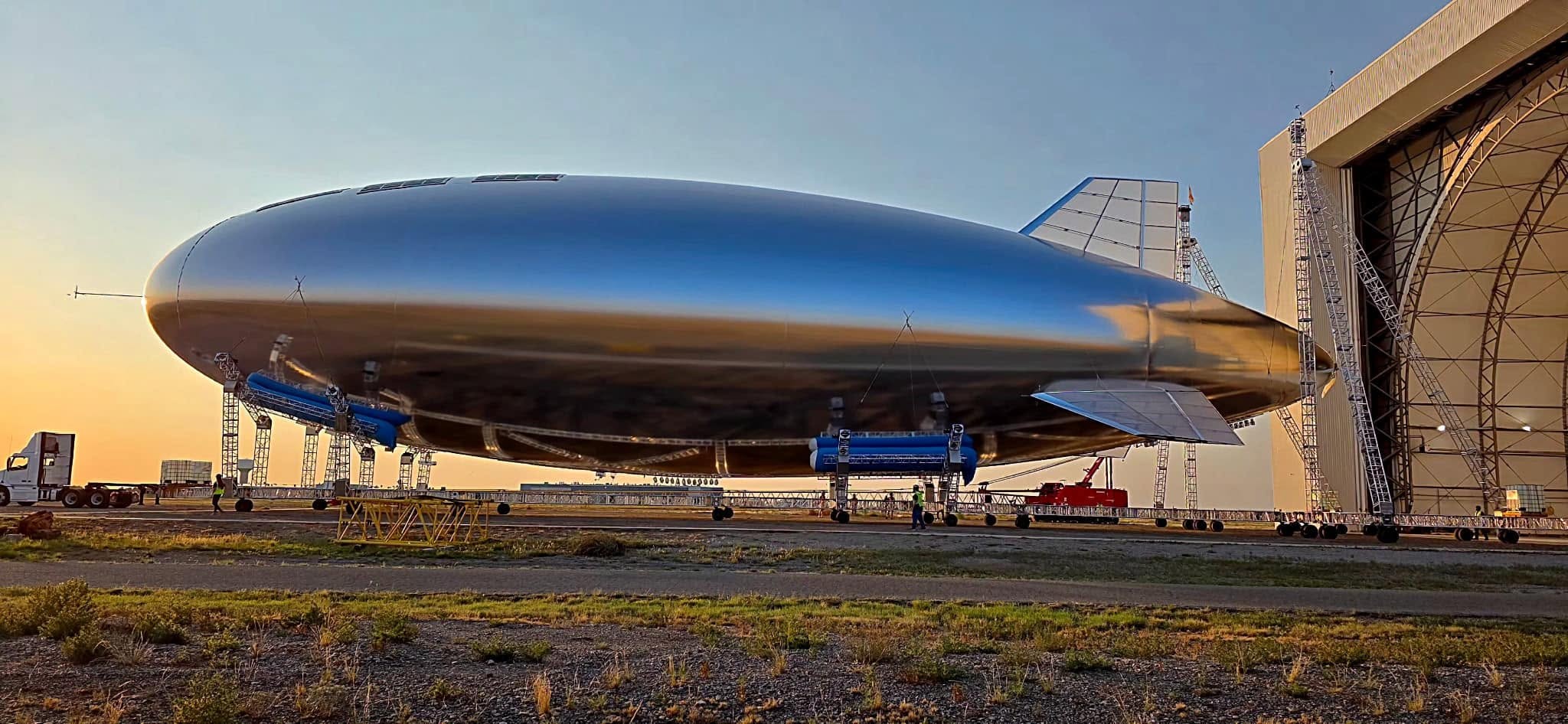
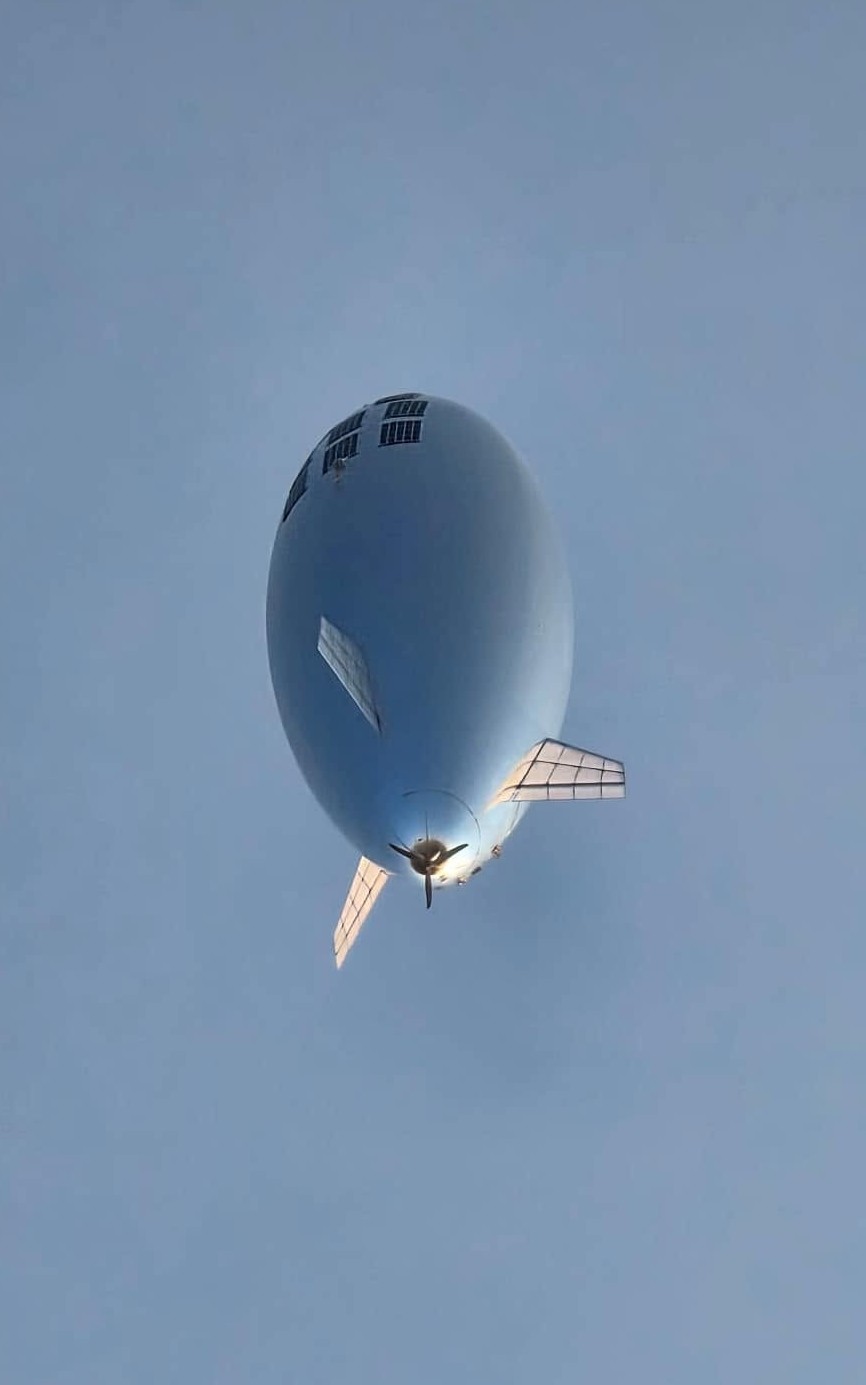
There is not much data regarding the composition and construction of the airships. According to the information published by the firm, their hull fabric compared to the nearest alternative used by others in attempts to build the stratospheric platform is 5 times stronger relative to weight, 1500 times more gas tight, and UV and ozone resistant. The platform is solar powered during the day and battery powered at night. For that purpose, the hull fabric counts with an ultra-light cape that covers the platform's top surface capturing solar energy. Advanced lamination for weathering layers has achieved extreme weight reduction. The solar panels are formed by Copper Indium Gallium Selenide and Gallium Arsenide cells. Power captured from the Sun is stored on lithium-sulphur batteries with an energy density of about 400 Wh/kg. Electric motors with propellers are used for propulsion and maneuvering.
Video recap of the launch of SCEYE stratospheric platform
Details of the balloon flight
Balloon launched on: 8/9/2026 at 13:36 UTC
Launch site: Roswell Industrial Air Center, New Mexico, US
Balloon launched by: Sceye Inc.
Balloon manufacturer/size/composition: Stratospheric Airship Sceye High-Altitude Platform Station
Flight identification number: N519HB
End of flight (L for landing time, W for last contact, otherwise termination time): 9/8/2026 at 17:07 UTC
Balloon flight duration (F: time at float only, otherwise total flight time in d:days / h:hours or m:minutes - ): 31 d
Landing site: N of Willard, New Mexico, US
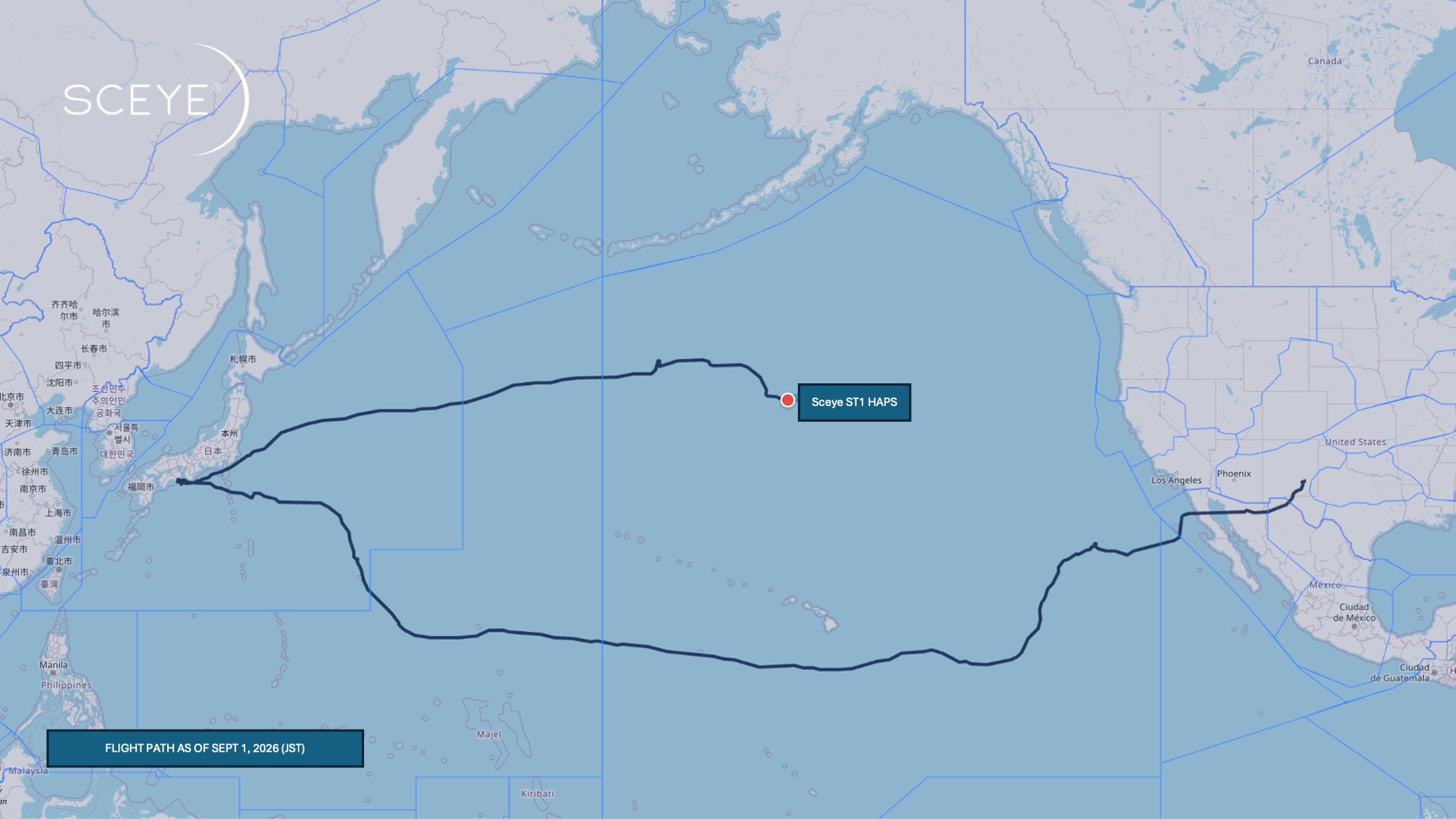
Sceyes Stratospheric Platform was launched from Roswell, New Mexico on August 9, 2026, on a mission named Service Test 1 (ST1). Goal of the mission was to perform a trans-Pacific mission to Japan and back. The platform reached Japan 13 days after launch and operated within Japanese-managed airspace for more than seven days, maintaining a station-seeking radius as small as 5 km while flying between 16.5 and 17 km altitude.
Conducted in partnership with SoftBank Corp., the mission carried SceyeCELL, a telecommunications payload designed to provide mobile broadband directly to standard, unmodified devices. During operations over Japan, the system demonstrated text messaging, voice calls, Internet access and video streaming, as well as emergency communications and communications with drones. The platform also hosted a mobile core network and web server, allowing data processing to be performed onboard. This configuration achieved an average round-trip processing time of 68 milliseconds, reducing latency by more than 40 percent compared with Internet-based cloud processing.
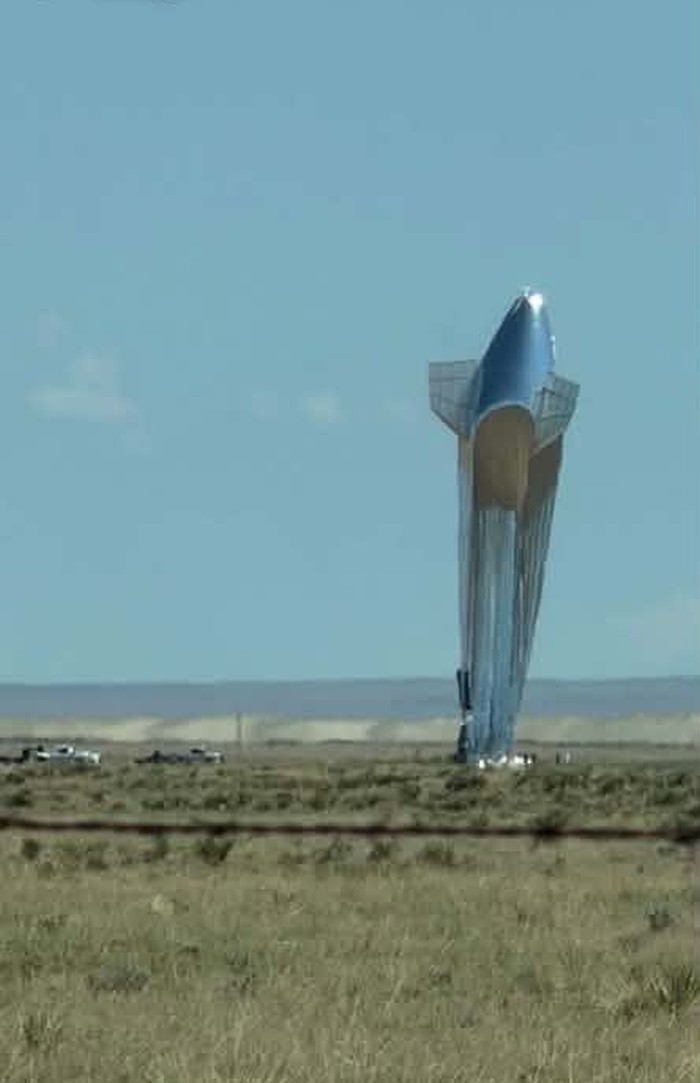
After completing its operations in Japan, ST1 began its return flight across the Pacific. The platform re-entered continental U.S. airspace on September 4 after traveling nearly 30,000 km during the month-long flight. It reached the vicinity of Sceye's headquarters in Moriarty, New Mexico, on September 5, where additional vehicle testing was conducted before the planned termination and descent which occurred on September 8 north of Willard, New Mexico.
External references
- Sceye website
- Explanation: Worlds First Successful Demonstration of Laser Ranging by Tracking a HAPS from the Ground Soft Bank website
- Sceye and SoftBank Corp. Complete Stratospheric Connectivity Demonstration in Japan, Advancing Towards HAPS Commercialization SCEYE's press release
- Sceye's Stratospheric Platform Re-enters United States After Record-Breaking Roundtrip Stratospheric Flight Between U.S. and Japan SCEYE's press release
Images of the mission
If you consider this website interesting or useful, you can help me to keep it up and running with a small donation to cover the operational costs. Just the equivalent of the price of a cup of coffee helps a lot.