
Purpose of the flight and payload description
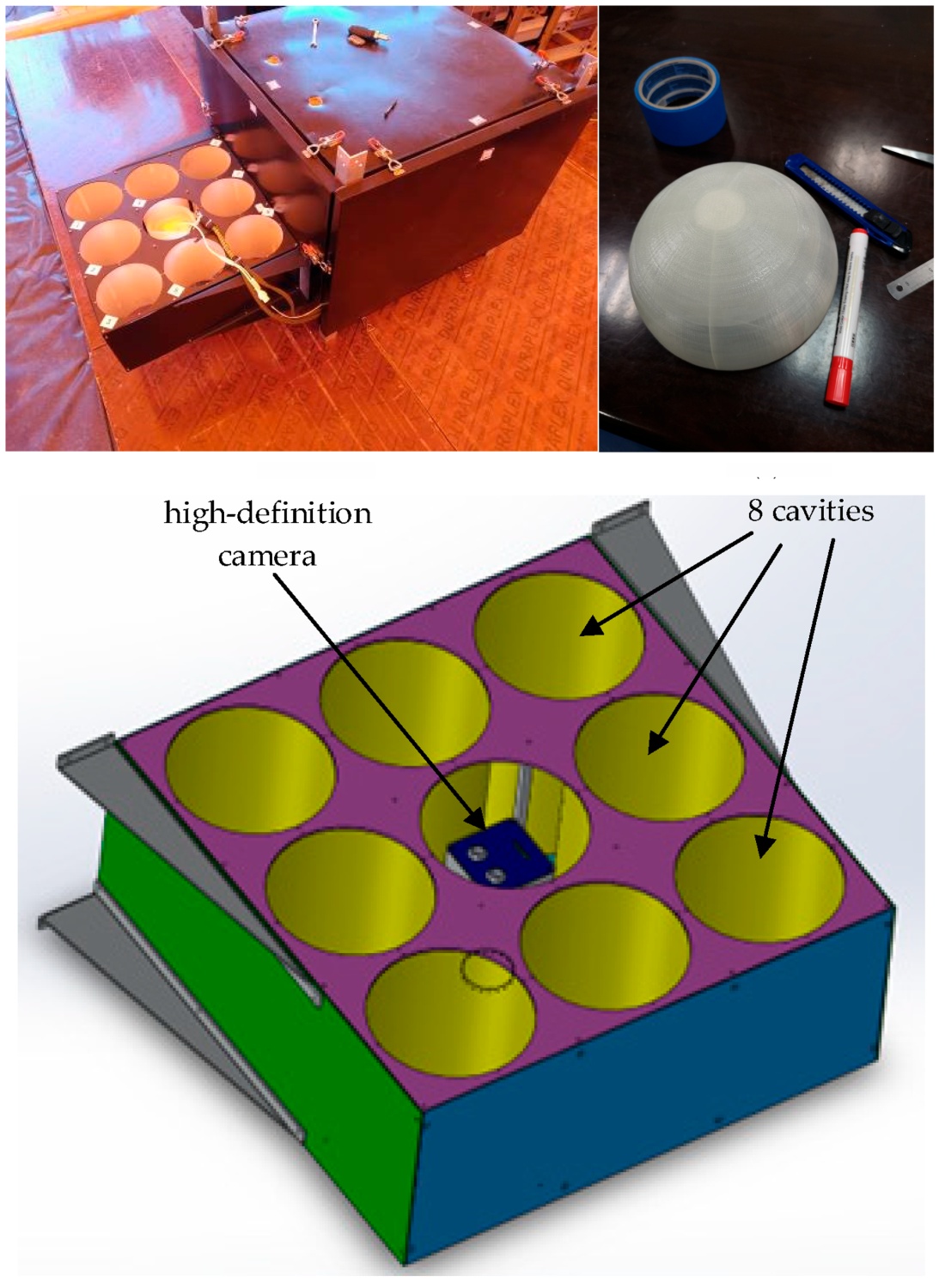
Objective of the flight was to simulate meteorite landings, supporting the analysis of organism survival in the near-space environment and the assessment of impact effects on potential life forms carried within meteorites. This experiment utilized a balloon-borne platform to investigate the plausibility of interstellar (or interplanetary) panspermia by replicating the meteorite entry and Earth impact process. The mechanical design of the simulated meteorite ejection system is depicted in the image at right (click to enlarge). It contains 8 cavities for storing simulated meteorites and a central cavity for installing a high-definition camera with a resolution of 1920 x 1080 pixels to record the release process.
The descent of simulated meteorites carrying biological material through the atmosphere subjects them to extreme environmental stressors, including rapid temperature fluctuations, intense radiation, pressure changes, hypoxia, and extreme desiccation. While most biological materials would sustain fatal damage, a residual fraction of organisms or biomarkers might persist. Analysis of biological traces on the surfaces and interiors of the recovered simulated meteorites allows for an estimation of the potential for life dispersal via meteoritic transfer through interplanetary space.
The fully assembled physical system is shown in the figure at left. The ejection system accommodates eight simulated meteorites, fabricated via 3D printing. The control module on the right facilitates command transmission and state monitoring. Select simulated meteorites were equipped with high-precision positioning devices, enabling real-time recording of altitude, velocity, and other parameters during descent, with data transmitted wirelessly to the ground station. Other units contained identifiable microbial samples for post-recovery analysis.
Details of the balloon flight
Balloon launched on: 7/31/2019
Launch site: Dachaidan district, Qinghai Tibet Plateau, China
Balloon launched by: Aerospace Information Research Institute (AIR-CAS)
Balloon manufacturer/size/composition: Zero Pressure Balloon 5.000 m3
Flight identification number: HH-19-6
End of flight (L for landing time, W for last contact, otherwise termination time): 7/31/2019
Balloon flight duration (F: time at float only, otherwise total flight time in d:days / h:hours or m:minutes - ): 2 h 10 m
Payload weight: 96 kg
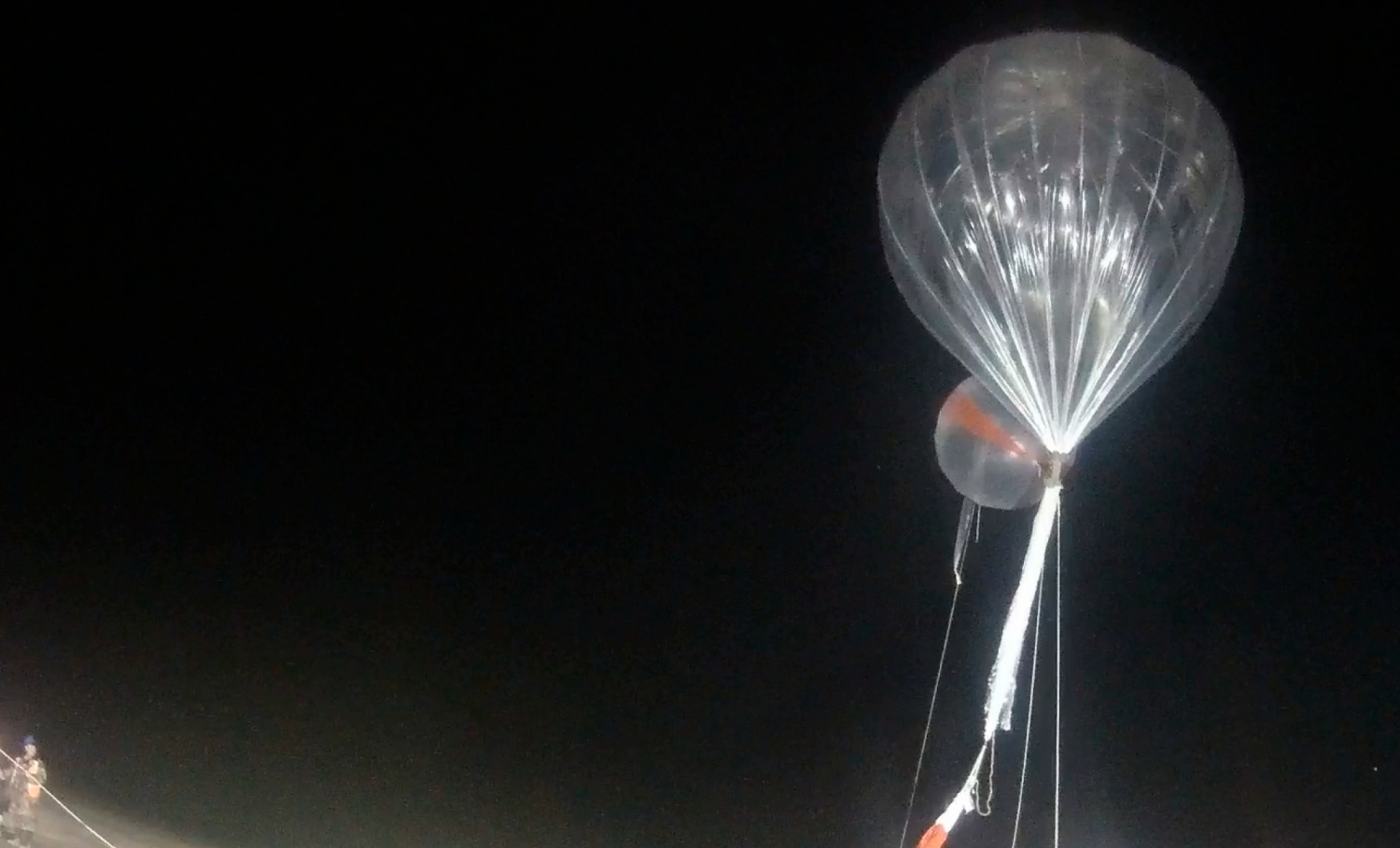
The balloon flight was successfully conducted on 31 July. Given its focused objective involving a single simulated meteorite ejection device, a dedicated, complex payload cabin was not utilized; the ejection control module was integrated directly with the balloon's standard flight control cabin. Owing to this simplified configuration and the relatively low target altitude, the total experiment duration was brief, at 2 h and 10 min.
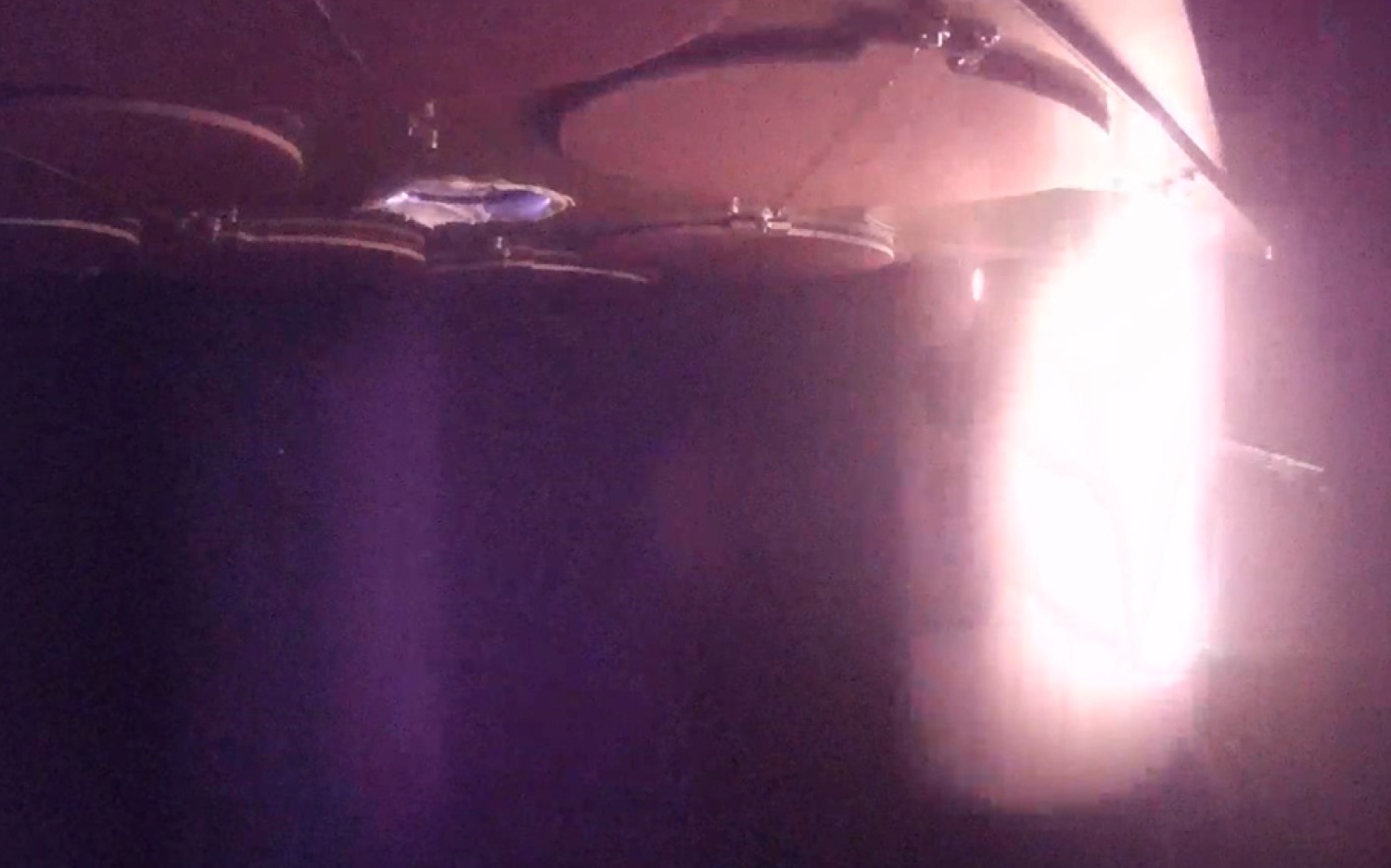
Upon reaching the target altitude of 8 km, the ground console issued the ejection command, triggering the sequential release of the simulated meteorites according to the pre-programmed sequence. The ejection mechanism utilized a nickel-chromium alloy wire securing the ejection cabin's baseplate. Applying electrical current heated and subsequently melted the wire, causing the baseplate to open and release the simulated meteorite.
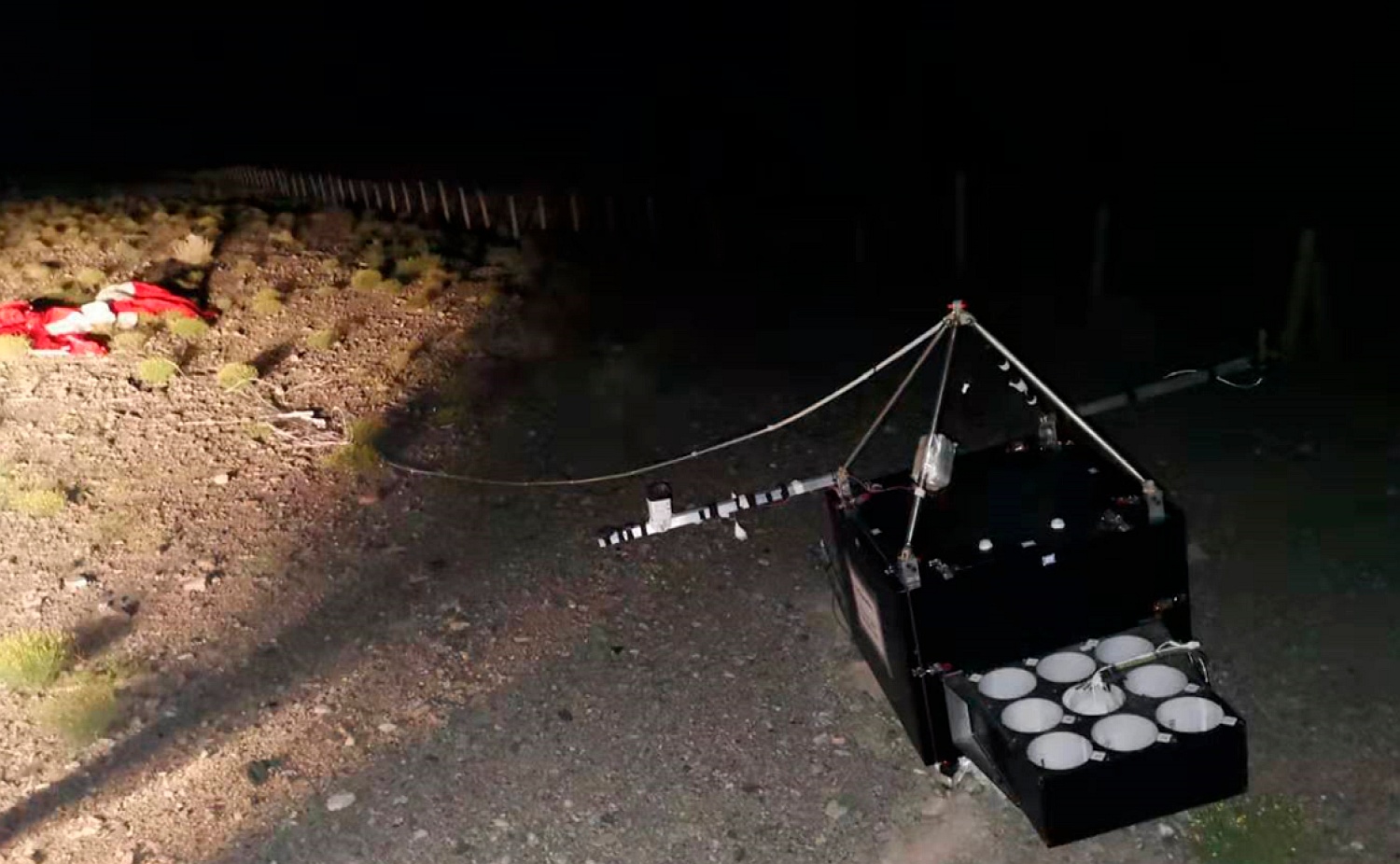
After the experiment, the flight control cabin was separated from the balloon and descended safely under parachute. The landing site was fortuitously located near an access road, facilitating recovery.
External references
- Application of Near-Space High-Altitude Balloon in Earth Observation Appl. Sci. 2025, 15(21), 11758
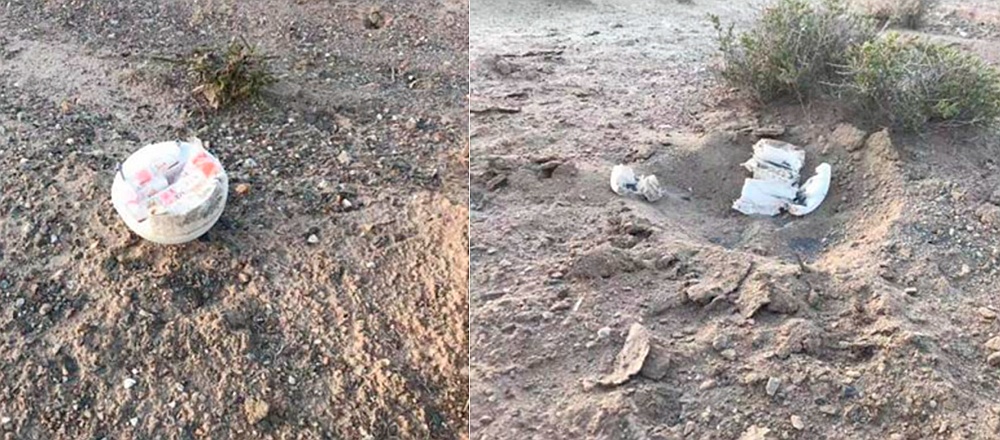
Images of the mission
StratoCat is an independent, non-commercial project maintained to preserve and share the history of scientific and stratospheric ballooning. If you find the site useful, you can help keep it running with a small donation toward its operating costs. Every contribution, even the equivalent of a cup of coffee, is greatly appreciated.